Electrical Safety & Installation Policy
Some of what we sell plugs in or wires in. Here's exactly how to set it up safely.
Several categories at My Luxe Backyard, including electric saunas, cold plunge chillers, and motorized louvered pergolas, use electrical components to operate. This page explains, in plain language, how those components are built, what kind of circuit and outlet each one needs, when a licensed electrician is required instead of optional, and the safety rules we want every customer to know before installation day.
Why a retailer writes an electrical safety page at all
My Luxe Backyard is owned and operated by Navarro Living LLC. We're a retailer, not an electrical contractor and not the manufacturer of the heaters, chillers, or motors built into the products we sell. But a meaningful share of our catalog, our electric saunas, our cold plunge and ice bath chillers, and our motorized louvered pergolas, draws household power to operate, and how that power is connected matters for safety.
This page exists because we'd rather over-explain electrical setup than have a customer guess. It covers what each electrical product category typically needs in terms of circuit type, GFCI protection, and professional installation, what our own team can and can't help with, and where federal, state, and local rules come into play. It is written specifically around the products we currently carry, not copied from a generic template, and we update it as our lineup changes.
Nothing here replaces the owner's manual and electrical rating label that ship with your specific unit. Those documents govern; this page is your orientation before you get there.
The electrical terms we use throughout this page
Electrical terminology can sound more intimidating than it needs to be. Here's exactly what each term means when we use it on this page or on a product listing.
Plug-In Appliance
A product that connects to power through a standard cord and plug into an existing outlet. Most of our motorized pergolas and several of our smaller chiller units fall into this category.
Hardwired Appliance
A product connected permanently to a dedicated circuit rather than plugged into an outlet. Our larger electric sauna heaters are typically hardwired, which is a job for a licensed electrician, not a DIY project.
GFCI
A Ground-Fault Circuit Interrupter is an outlet or breaker that cuts power within milliseconds if it senses current leaking to ground, such as through water or a person. It's required by code for outdoor and wet-location circuits nationwide.
Licensed Electrician
A tradesperson holding a valid electrical license in the state where the work is performed. Licensing boards, exam requirements, and the scope of what a homeowner may legally do without one vary from state to state.
What each category actually needs, wired to code
Not everything in our catalog uses household electricity. Here's a transparent, category-specific breakdown of what does, how it typically connects to power, and what that means for installation. Exact voltage, amperage, and breaker size always live on the nameplate of your specific unit and in the manual packed with it, since specifications can vary by model.
Saunas
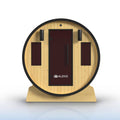
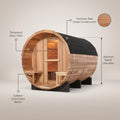
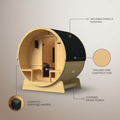
Heater: often 240V, dedicated circuitOur electric sauna heaters, including 4.5 kW models, are built and ETL-certified to draw enough power that they typically require a dedicated 240-volt circuit sized exactly to the manufacturer's nameplate rating. Most of these units are hardwired rather than plugged in, which means installation is an electrician's job, not a plug-and-play setup. Never substitute a smaller breaker, a shared circuit, or an extension cord for what the nameplate calls for.
Cold Plunges & Ice Baths
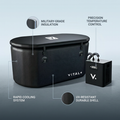
Chiller: usually 120V, always near waterThe chiller and pump units that power our cold plunges and ice baths most commonly plug into a standard 120-volt grounded outlet, but they run continuously for hours at a time and sit inches from standing water. That combination makes GFCI protection essential, not optional, and we strongly recommend a dedicated outdoor-rated outlet positioned so the cord never runs across a wet deck or through standing water.
Motorized Pergolas & Louvered Roofs
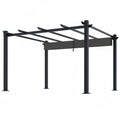
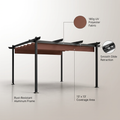
Motor: low-draw, usually 120V plug-inThe louver and canopy motors on our motorized pergolas are low-voltage, low-amperage components that typically plug into a standard 120-volt outdoor outlet rather than requiring hardwiring. The remote or app pairing is a DIY-friendly step. Running new outdoor wiring or a dedicated circuit to reach that outlet, however, is electrical work and falls under the same licensing rules as any other permanent wiring.
Four things every electrical setup on this site needs
These principles apply across our sauna, cold plunge, and motorized pergola lines, regardless of brand or model. They're a starting point for the conversation with your electrician, not a replacement for your unit's specific manual.
Correctly Sized, Dedicated Circuit
High-draw appliances like sauna heaters need a circuit and breaker sized to the nameplate, not shared with other outlets or appliances.
GFCI Protection, Every Time
Any circuit serving an outdoor, wet, or damp location, which describes nearly every product on this page, needs GFCI protection at the outlet or breaker.
Weatherproof, Rated Enclosures
Outdoor outlets, junction boxes, and covers need a weather-resistant, in-use rating so they stay protected whether the cover is open or closed.
Safe Clearance From Water
Outlets, cords, and control panels for cold plunges and sauna heaters need to sit at the distance from standing water your local code and the manufacturer both specify.
The codes and licensing rules behind this policy
Electrical work is one of the most heavily regulated parts of home improvement, and for good reason. Two frameworks matter most for what we sell.
The National Electrical Code (NFPA 70)
State & Local Licensing Requirements
This section is provided for transparency and general information. It is not legal or electrical-code advice, and requirements vary by state, county, and city. If you have questions about how these rules apply to your specific address, we'd encourage you to contact your local building or electrical permitting office, or a licensed electrician in your area.
Four steps to a safe installation, start to finish
Read the manual and the nameplate
Every unit ships with an owner's manual and a rating label stating exact voltage, amperage, and any clearance requirements. Start there before touching a wire.
Confirm your circuit, outlet, and GFCI
Check whether your outdoor space already has a properly rated, GFCI-protected circuit that matches what the nameplate calls for, or whether new work is needed.
Hire a licensed electrician for hardwired units
For hardwired sauna heaters or any new dedicated circuit, bring in a licensed electrician in your state. This isn't a step we recommend skipping to save time.
Schedule an inspection if your locality requires one
Many jurisdictions require a permit and final inspection for new circuits. Your electrician can typically confirm and handle this as part of the job.
What isn't covered by our warranty
Damage to a heater, chiller, or motor that results from an improperly sized circuit, a missing GFCI, an unlicensed hardwiring job, a modified plug, or use of an extension cord in place of a fixed circuit falls outside manufacturer warranty coverage. It also isn't something our team can retroactively fix once damage has occurred, which is exactly why this page exists before you install.
This doesn't reduce your other rights
Nothing on this page limits your rights under our separate Warranty & Warranty Disclaimer Policy, your state's implied warranty protections, or your right to return an eligible item under our Return & Refund Policy. This section describes how coverage works, not a reduction of it.
Independent places to learn more or find a licensed electrician
These federal, industry, and state resources exist for any consumer, anywhere, and operate independently of My Luxe Backyard. We'd still encourage you to contact us first at support@myluxebackyard.com with any product-specific electrical question.
U.S. Consumer Product Safety Commission
Report an electrical safety concern with a product, or check whether an item has an open recall.
Report or search safety issuesNational Fire Protection Association
Consumer guidance on home electrical safety, GFCI use, and preventing electrical fires, from the publisher of the National Electrical Code.
Read NFPA's electrical safety guidanceElectrical Safety Foundation International
An independent nonprofit focused on preventing electrical fires, injuries, and fatalities in and around the home.
Visit ESFINew Jersey Division of Consumer Affairs
The state consumer protection office for Navarro Living LLC's registered address, including licensing lookup for New Jersey electrical contractors.
Visit the DivisionIf you're outside New Jersey, your own state's contractor or electrical licensing board is the right place to verify a local electrician's license before hiring one. A web search for "[your state] electrical contractor license lookup" will typically take you there directly.
Questions before you install? Talk to our team
We're available Monday to Friday, 9:00 AM to 5:00 PM Eastern Time. Messages sent outside these hours are answered the next business day.
Navarro Living LLC (Company Registration No. 0451 452883, EIN 42-2132746) is an independent retailer of pergolas, gazebos, patio furniture, fire pits, saunas, and cold plunges, and is not the manufacturer of the electrical components described on this page unless specifically stated on a product page. This policy is informational and does not constitute electrical, engineering, or legal advice; always follow your unit's manufacturer instructions and engage a licensed electrician for any hardwiring or new circuit work.
This policy was last updated and is effective as of July 1, 2026. It is reviewed regularly and may change as our product range or applicable codes change. For details on product coverage, see our Warranty & Warranty Disclaimer Policy, for returns see our Return & Refund Policy, and for how we collect and use your information, see our Privacy Policy.